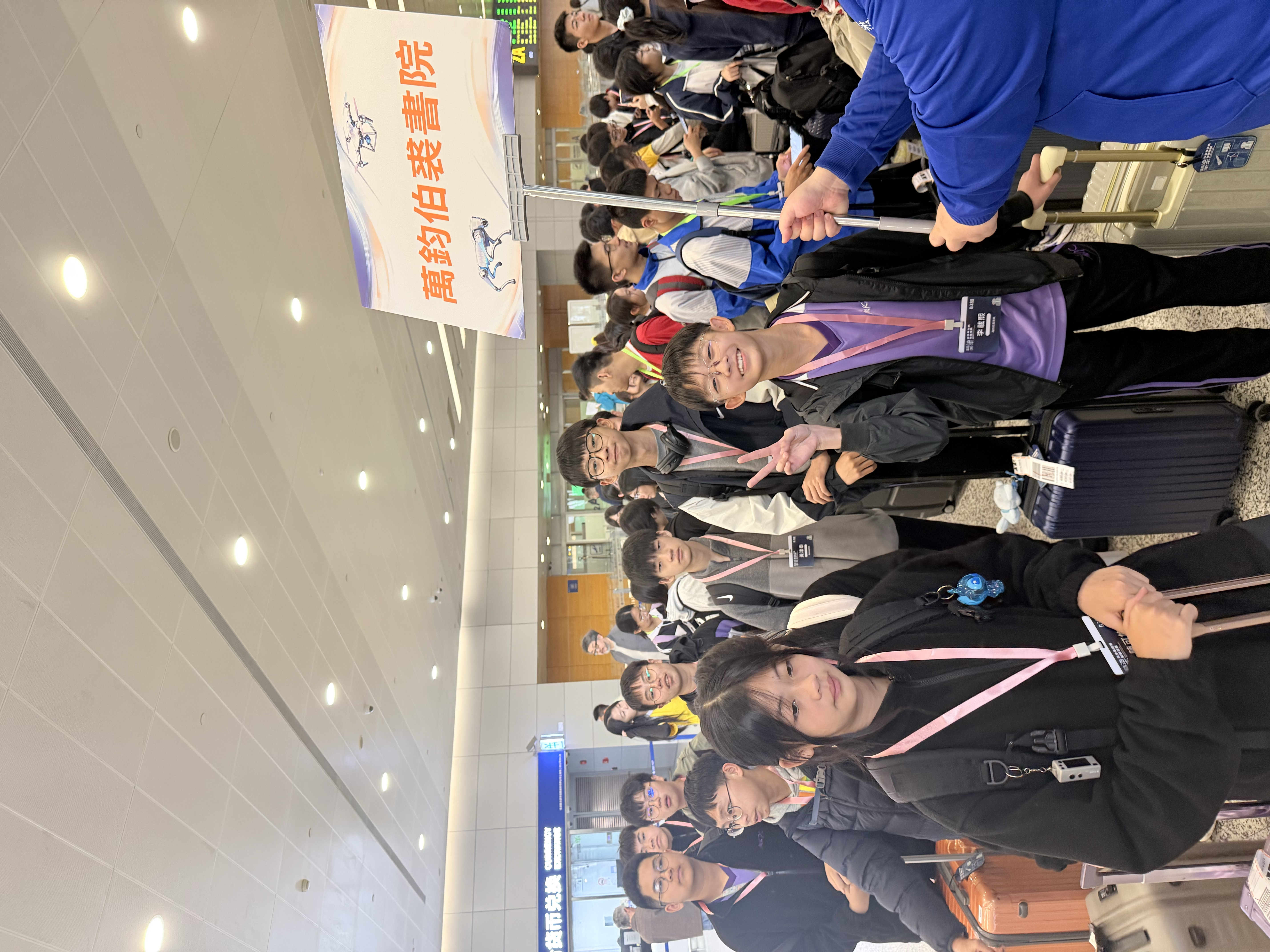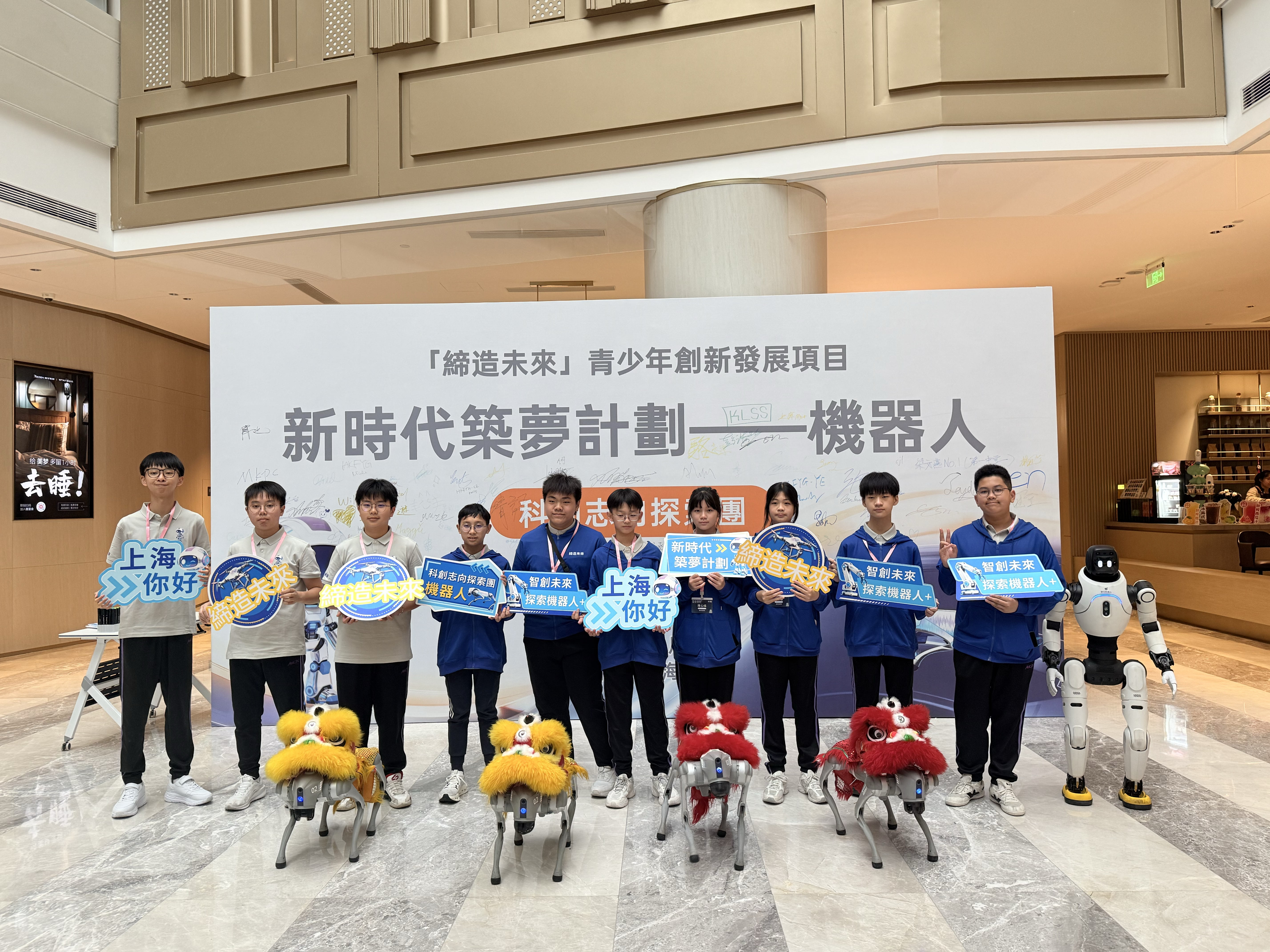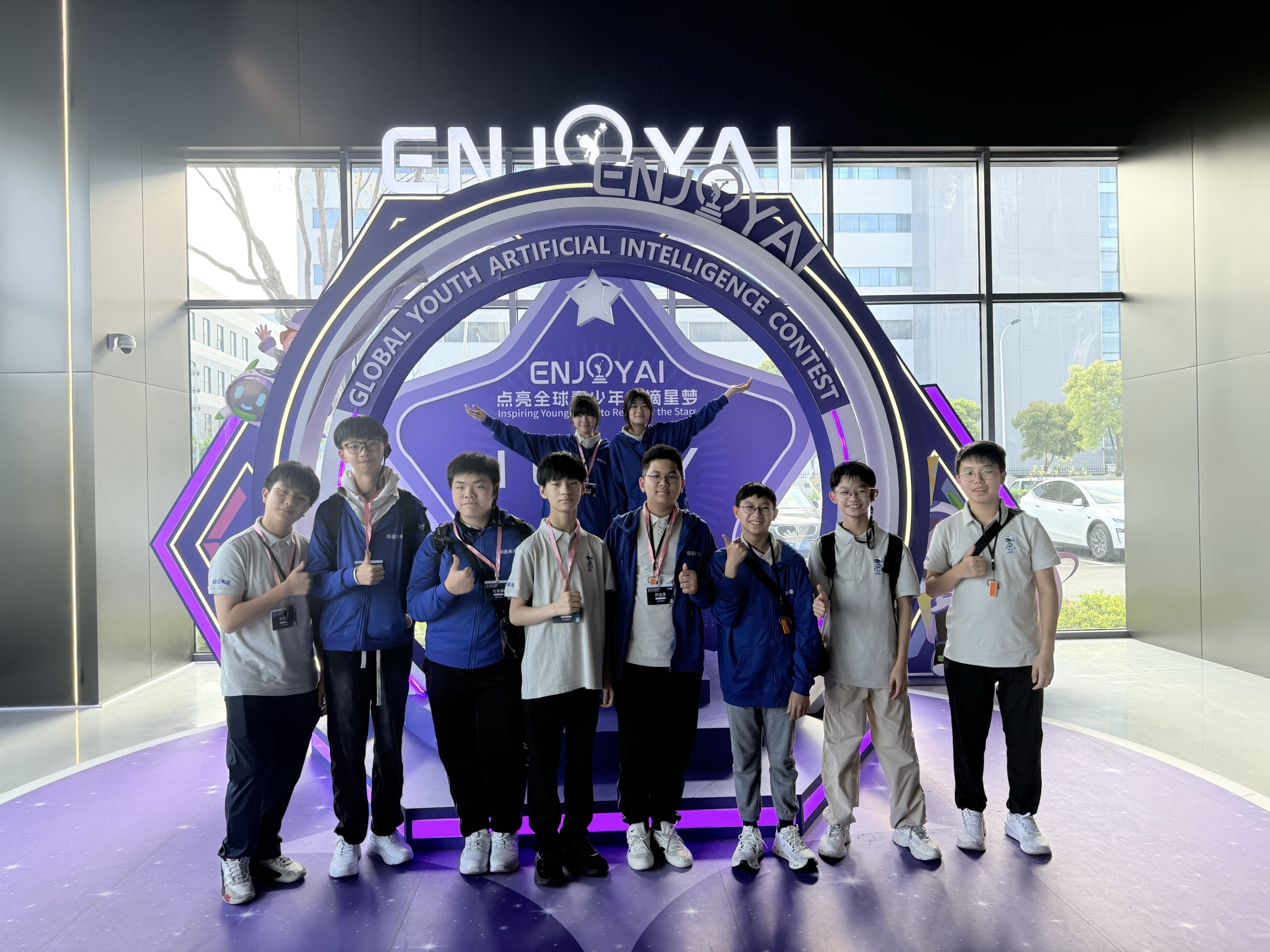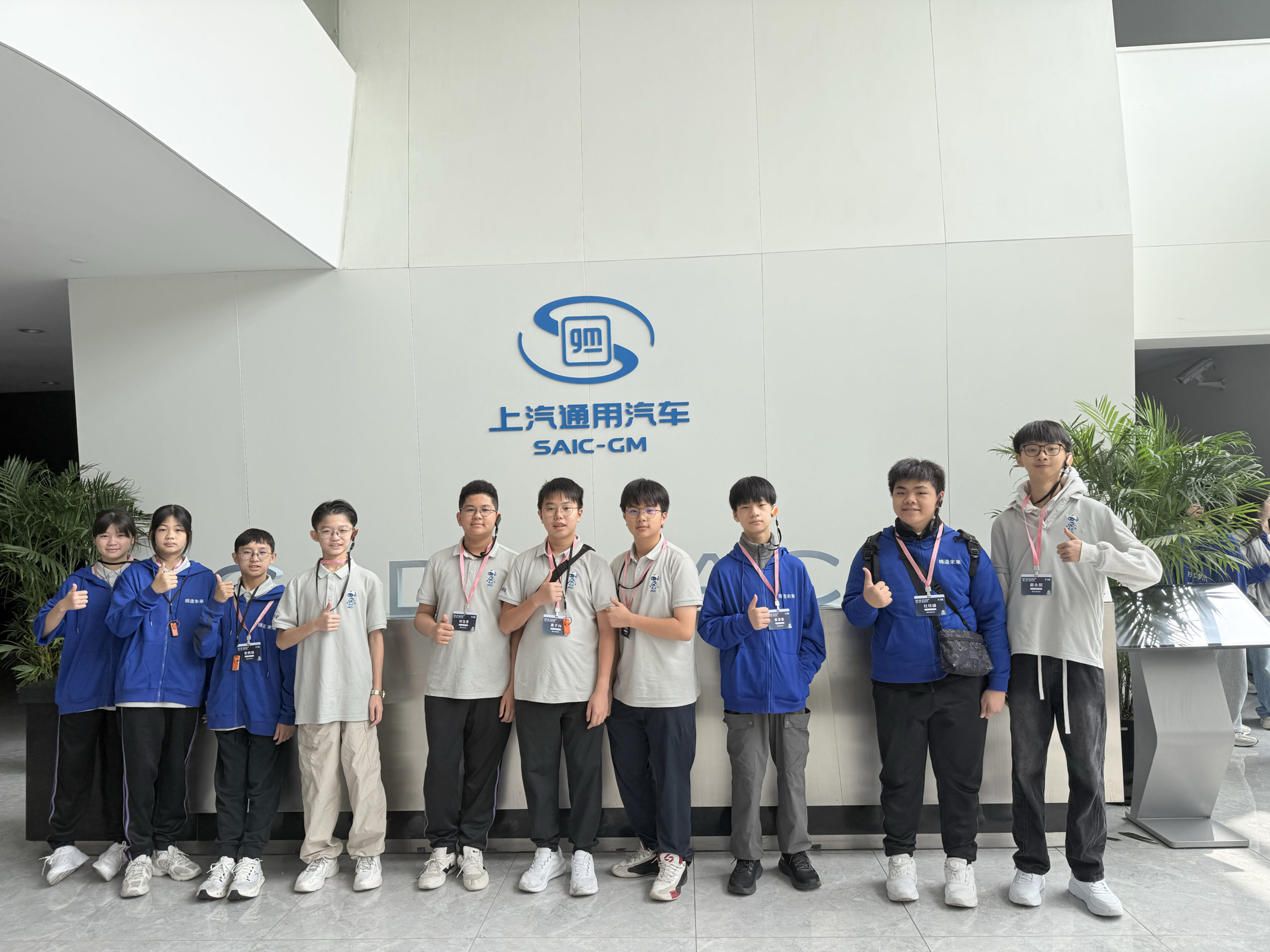

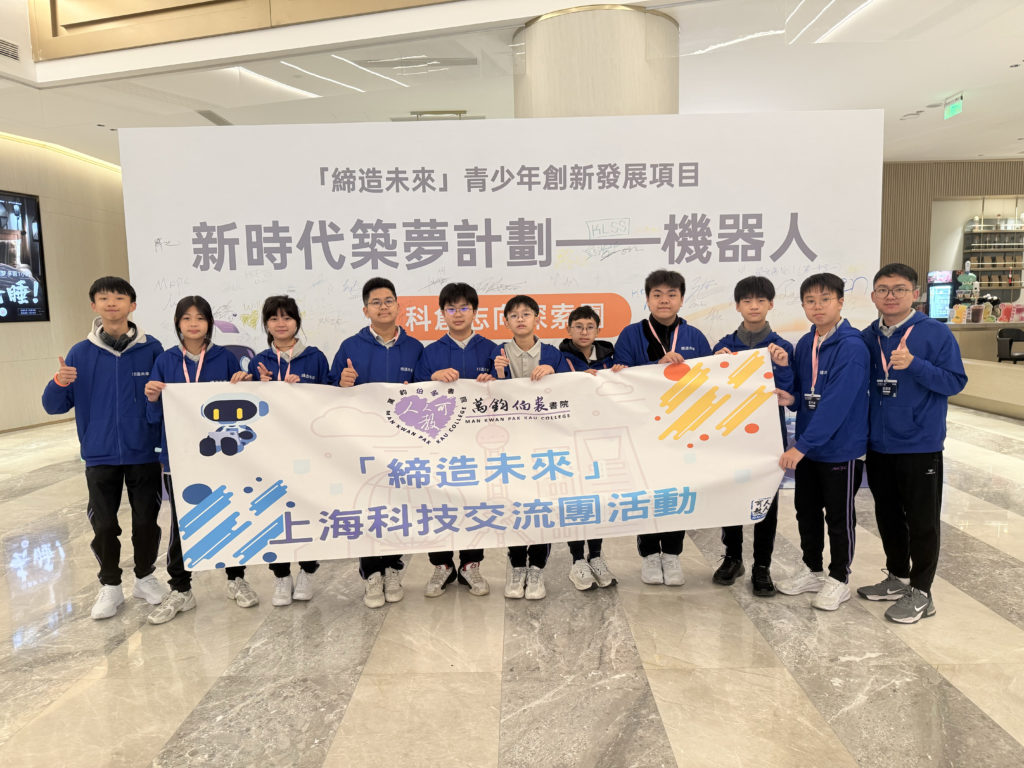
The Shaping the Future Youth Innovation Development Programme — New Era Dream Builder Project: Innovation and Technology Aspiration Exploration — has successfully concluded. More than just a study tour beyond the classroom, this journey offered students an invaluable opportunity to witness the nation’s innovation and technology development firsthand, while gaining deeper insight into robotics applications and future industry trends.
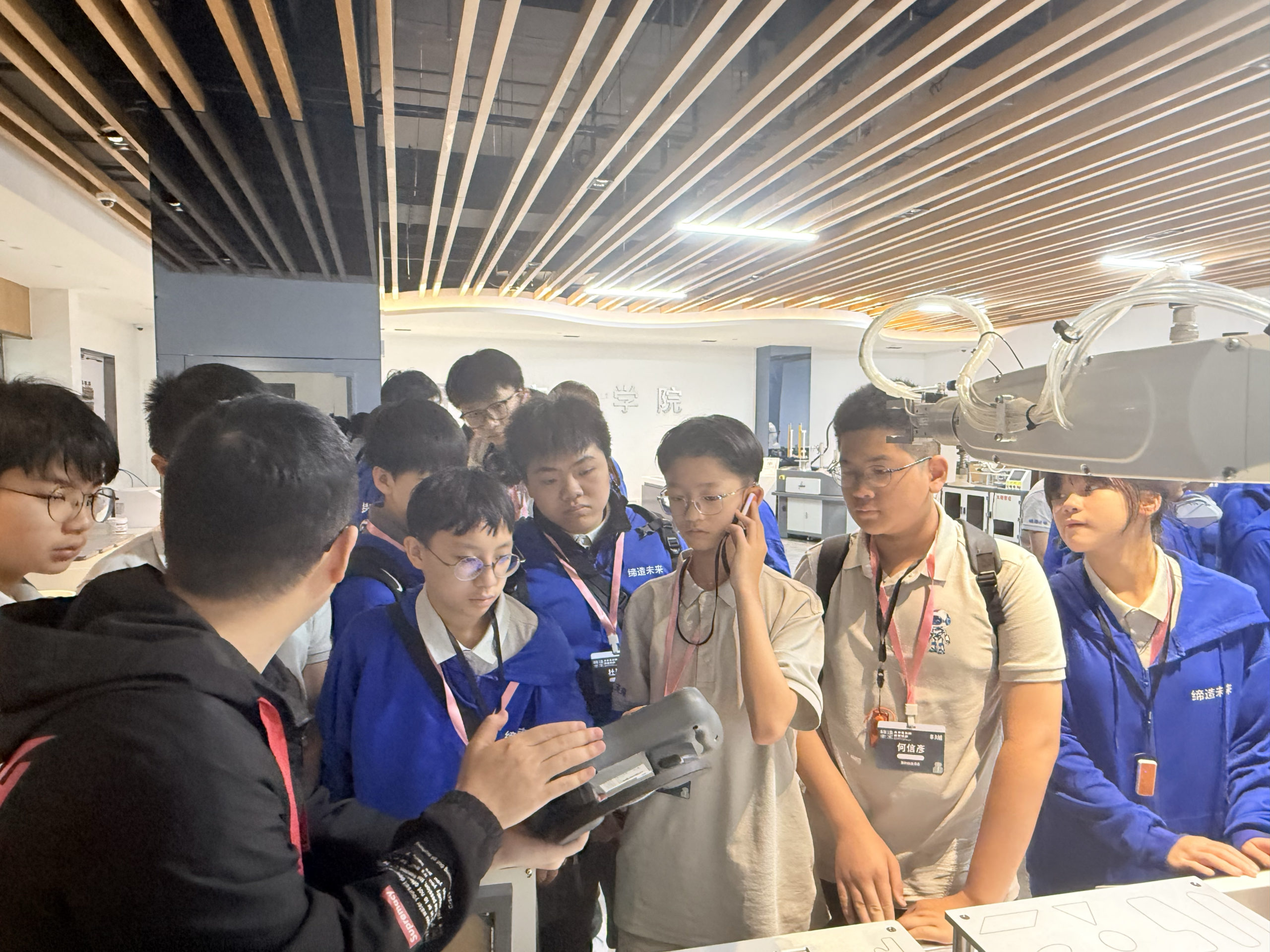
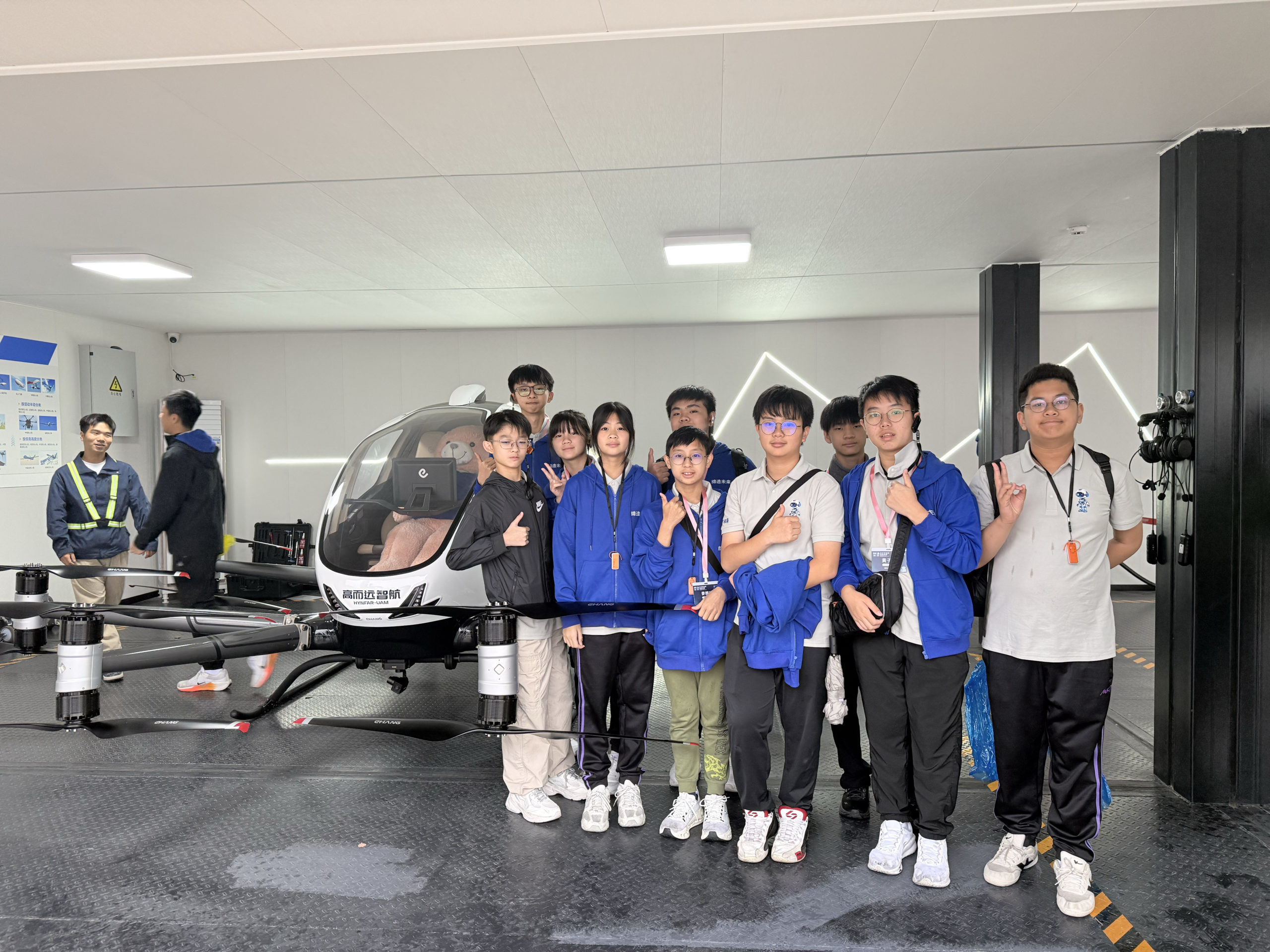
Over the five-day programme, students visited a wide range of representative innovation and technology institutions, enterprises, universities, and science education venues, including Keenon Robotics, Whale ENJOY AI Practice Base, the Humanoid Robot Qilin Training Ground, SAIC Volkswagen Plant No. 3, Shanghai Baidu Apollo Park, Taijing Group, Shanghai Jiao Tong University, the Longhua Airport Low-Altitude Exhibition Base, and Shanghai Science and Technology Museum. Through site visits, expert sharing, technology demonstrations, and interactive experiences, students moved from simply “seeing technology” to truly “understanding technology,” and further to reflecting on how it can be used to solve real-world problems.
In the robotics-focused learning sessions, students explored service robots, humanoid robots, educational robots, collaborative robotic systems, automated manufacturing, and autonomous driving technologies. They learned how robotics is integrated with artificial intelligence, big data, sensor systems, and engineering design across sectors such as food delivery, smart manufacturing, transportation, logistics, and urban management. These real-life examples helped students realise that innovation and technology are not distant concepts, but closely connected to social development, people’s daily lives, and national progress.
The most valuable takeaway from this exchange was not only the growth in knowledge, but also the expansion of students’ perspectives and ways of thinking. Through engaging with experts and industry partners, students began to understand technological development from a broader viewpoint, while also reflecting on their future studies, career aspirations, and roles in an innovation-driven era. Some were especially fascinated by humanoid robot training and teleoperation systems, while others were inspired by autonomous driving experiences and low-altitude economy demonstrations, developing stronger interest in artificial intelligence, aerospace technology, and smart city development.
Beyond professional learning, the tour also helped students strengthen self-discipline, teamwork, and mutual care through shared group experiences. From punctuality and discipline to collaborative learning, reflection, and final presentation preparation, students cultivated responsibility, communication skills, and team spirit at every stage, demonstrating a positive learning attitude and admirable youth potential.
The true meaning of an exchange and study tour lies not simply in visiting places, but in being inspired through firsthand experience, building understanding in real-world settings, and shaping aspirations through meaningful interaction. We hope students will transform what they saw, learned, and felt in Shanghai into lasting motivation to continue exploring innovation and technology, and move forward with broader global vision, stronger technological literacy, and deeper national identity — as they pursue their dreams and help create the future.